
Cera Care: Geolocation
Replacing an unreliable NFC check-in system with geolocation verification for 5,700 carers.
Intro
Cera's carers visit thousands of vulnerable people every day. Every visit must be recorded accurately to satisfy local authorities, payroll and safeguarding requirements.
At the time, carers proved attendance by scanning an NFC tag kept inside the client's home. While simple in theory, the process frequently failed in practice. Damaged tags, forgotten scans and inaccurate client addresses generated over 300,000 support tickets every month, creating unnecessary work for branch teams and making it difficult to prove where care had actually been delivered.
I led the end-to-end design of a new geolocation-based verification system that replaced the NFC process with GPS evidence, improved visit auditing and reduced operational overhead across the organisation.
Role: Product Designer
Duration: 3 months
Platform: Android App and Web Portal
Team: Product Manager, 4x Engineers and QA
Stakeholders: Operations
The Problem
The existing NFC system had become one of the biggest operational pain points across the business.
When carers arrived at a client's home they were expected to scan an NFC tag to confirm the visit. If the tag was damaged, missing or forgotten, the visit generated an exception that had to be investigated manually.
This affected far more than attendance records. Branch teams spent hours closing tickets, local authorities lacked reliable evidence that visits had taken place, and Freshdesk became overwhelmed with avoidable support requests.
Our challenge wasn't simply replacing NFC. We needed a solution that was accurate, trusted by carers and capable of scaling across thousands of daily visits.

Understanding the Problem
Rather than jumping straight into a replacement, we spent time understanding where the existing process was breaking down.
I worked with Product, Engineering and Operations to map the entire visit journey, reviewed support tickets and gathered feedback from branch teams responsible for resolving failed visits.
Several themes emerged repeatedly.
• Client addresses were often inaccurate.
• Broken NFC tags were difficult to identify.
• Branch staff had little visibility into why visits failed.
• Local authorities wanted stronger evidence of attendance.
• Carers needed a faster, simpler way to check in and out.
These findings shaped both the product strategy and the technical approach.
Designing the Solution
Instead of relying on physical NFC tags, we introduced GPS-based location verification.
The Android app would capture the carer's location during check-in and check-out while the Branch Portal displayed the recorded evidence as part of the visit audit.
Designing the experience involved much more than adding a location pin. We also needed to solve inaccurate client addresses, provide confidence in the recorded location and ensure branch staff could investigate exceptions quickly.
Working closely with Engineering, I designed the complete experience across both products, from mobile interactions through to operational reporting.
Solving Address Accuracy
Early pilot testing uncovered an unexpected problem.
Many client addresses were inaccurate, meaning carers appeared outside the expected location despite being at the correct property.
Rather than adjusting the geofence to compensate, I worked with Engineering to improve address quality. We replaced the existing address lookup with the Google Maps API and introduced a draggable map pin that allowed branch teams to position the client's exact entrance.
This dramatically improved location accuracy and prevented thousands of false alerts before the national rollout.
Testing
The solution was piloted across four branches before being released nationally.
Testing focused on real-world conditions rather than laboratory scenarios. We deliberately explored edge cases including poor GPS reception, apartment blocks, carers arriving slightly early and incorrect addresses.
The pilot highlighted issues with address accuracy that would have significantly reduced confidence in the system. Resolving these before rollout gave both carers and branch staff greater trust in the product.

Branch Portal
Location data became most valuable once it reached branch teams.
I designed new audit screens that allowed staff to quickly understand where visits took place, identify failed check-ins and investigate issues without searching through multiple systems.
The portal transformed raw GPS data into information that supported payroll, safeguarding and conversations with local authorities.
Measuring Success
The rollout delivered measurable improvements across both operational efficiency and care compliance.
Within the first five weeks, the solution had been deployed to 70 branches, supporting 5,720 carers and recording 1.3 million verified visits.
Evidence of visit location increased from 56.01% to 81.97%, while the number of branches achieving over 80% verified visits rose from 19 to 51. Branches recording fewer than half of visits with location evidence fell from 27 to zero.
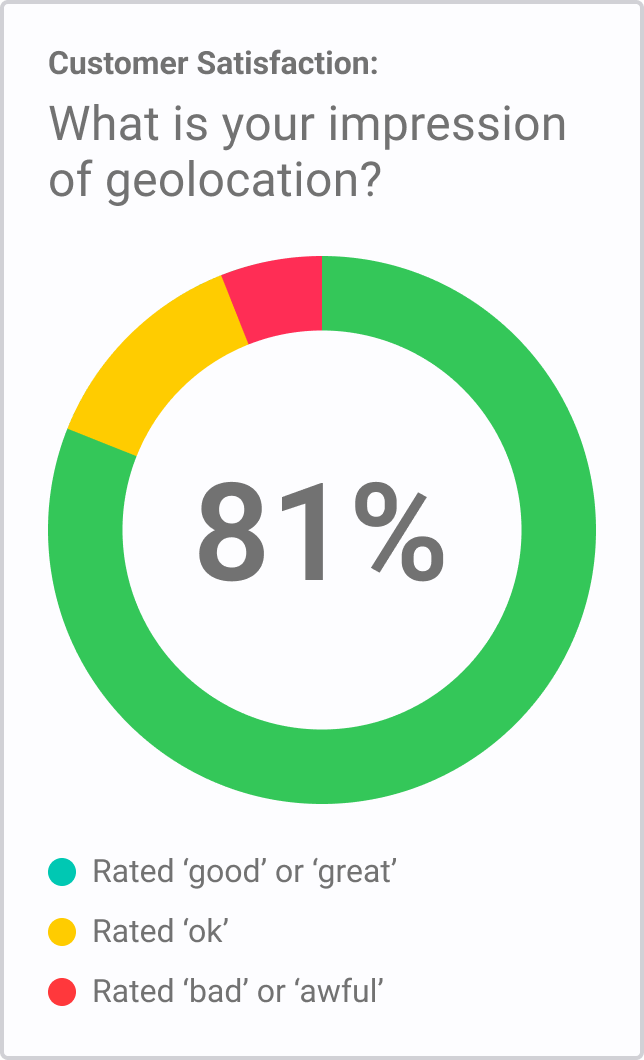
User feedback was equally positive, with 81% of carers rating the experience as Good or Great.

Reflection
This project reinforced the importance of validating assumptions through real-world testing.
The biggest challenge wasn't designing the mobile experience. It was recognising that inaccurate address data could undermine the entire solution. Discovering this during the pilot allowed us to improve the platform before national rollout and significantly increased confidence in the product.
Looking back, I'd invest even more time in validating underlying data quality during discovery. The experience highlighted how operational systems, user experience and technical infrastructure are tightly connected, particularly in healthcare products.
“A smarter approach to visit verification that delivered measurable improvements for carers, branch teams and local authority compliance.”